When it comes to selecting a HIPAA compliant dedicated hosting solution for US healthcare, there are crucial factors that demand attention. From ensuring data security to meeting compliance requirements, the journey to finding the right hosting solution is intricate yet essential.
Exploring the nuances of HIPAA compliance and the significance of security measures can shed light on the intricate process of making an informed decision. Let's delve into the realm of dedicated hosting solutions tailored for the healthcare industry.
Factors to Consider
When choosing a HIPAA compliant dedicated hosting solution for US healthcare, there are several key factors that need to be taken into consideration to ensure compliance and data security.
Data Encryption and Security Measures
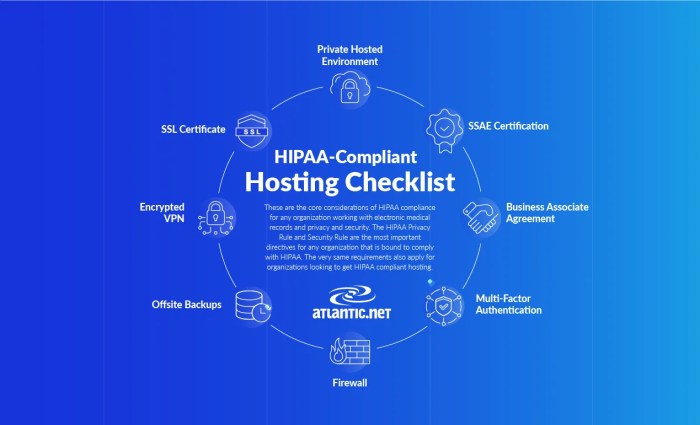
- One crucial factor to consider is the level of data encryption and security measures implemented by the hosting provider. This includes encryption protocols, firewalls, and access controls.
- For example, a hosting solution that offers end-to-end encryption and regular security audits can help safeguard sensitive patient information from unauthorized access or breaches.
Compliance Certifications and Audit Trails
- It is important to choose a hosting provider that is compliant with HIPAA regulations and can provide certifications to prove their compliance. Additionally, having audit trails in place helps track and monitor access to patient data.
- For instance, a dedicated hosting solution that regularly undergoes third-party audits and provides detailed audit logs can assist healthcare organizations in meeting HIPAA requirements and maintaining accountability.
Data Backup and Disaster Recovery
- Another factor to consider is the hosting provider's data backup and disaster recovery capabilities. This ensures that patient data remains accessible and secure in case of unexpected events such as natural disasters or system failures.
- For example, a reliable hosting solution with automated backups, redundant storage, and a comprehensive disaster recovery plan can minimize downtime and prevent data loss in critical situations.
HIPAA Compliance Requirements
To ensure the protection of sensitive patient data, healthcare organizations in the US must adhere to specific HIPAA compliance requirements when selecting a dedicated hosting solution. These requirements are crucial in maintaining the security and confidentiality of patient information.
Levels of HIPAA Compliance
- Physical Safeguards: Hosting providers must implement measures to secure physical access to servers where patient data is stored. This includes restricted access to data centers and server rooms.
- Technical Safeguards: Encryption of data in transit and at rest is a key requirement to protect patient information from unauthorized access. Regular security audits and vulnerability assessments are also necessary.
- Administrative Safeguards: Policies and procedures must be in place to ensure proper training of staff on HIPAA regulations, incident response protocols, and access controls to prevent data breaches.
- Business Associate Agreements: Hosting providers must sign agreements with healthcare organizations, outlining their responsibilities in maintaining HIPAA compliance and safeguarding patient data.
Implications of Non-Compliance
Non-compliance with HIPAA regulations can have severe consequences for healthcare organizations, including hefty fines and legal penalties. In addition to financial repercussions, data breaches can damage the reputation of the organization and erode patient trust. Therefore, it is crucial for healthcare providers to choose a dedicated hosting solution that meets all HIPAA compliance requirements to avoid potential risks and liabilities.
Security Measures

When it comes to choosing a HIPAA compliant dedicated hosting solution for US Healthcare, it is crucial to consider the security measures in place to protect sensitive patient data. These measures play a vital role in maintaining data integrity and confidentiality, ensuring compliance with HIPAA regulations.
Encryption Protocols
Encryption protocols are essential for securing data in transit and at rest. A HIPAA compliant hosting solution should utilize strong encryption algorithms to protect data from unauthorized access. This ensures that even if data is intercepted, it remains unreadable without the proper decryption keys.
Access Controls
Access controls are another critical security measure that should be in place. Role-based access control ensures that only authorized personnel can access sensitive patient information. This helps prevent unauthorized users from viewing or modifying data, reducing the risk of data breaches and ensuring compliance with HIPAA regulations.
Data Backup Procedures
Data backup procedures are essential for ensuring data availability and integrity. Regular backups of patient data should be performed to protect against data loss due to hardware failure, natural disasters, or cyber attacks. A HIPAA compliant hosting solution should have robust backup procedures in place to ensure that data can be recovered in the event of an incident.Overall, these security measures, including encryption protocols, access controls, and data backup procedures, are crucial for maintaining data integrity and confidentiality in a HIPAA compliant dedicated hosting environment.
By implementing these measures, healthcare organizations can ensure the security of patient data and comply with HIPAA regulations effectively.
Data Center Infrastructure
When choosing a HIPAA compliant dedicated hosting solution for US healthcare, the data center infrastructure plays a crucial role in ensuring the security and reliability of the hosting provider.
Importance of Secure and Reliable Data Center Infrastructure
- Redundancy: A reliable data center should have redundant systems in place to ensure continuous operation even in case of hardware failure.
- Scalability: The data center infrastructure should be able to scale up or down based on the needs of the healthcare organization without compromising performance or security.
- Disaster Recovery Capabilities: It is essential for the data center to have robust disaster recovery plans and mechanisms to protect data in case of unforeseen events.
Impact on Security and Performance
The physical infrastructure of the data center directly impacts the overall security and performance of the hosting solution. A well-designed and secure data center can prevent unauthorized access, ensure data integrity, and maintain high availability.
Final Wrap-Up
As we conclude our discussion on choosing a HIPAA compliant dedicated hosting solution for US healthcare, it becomes evident that the path to compliance and data security is paved with meticulous considerations. By prioritizing key factors and embracing robust security measures, healthcare organizations can navigate the digital landscape with confidence and resilience.
Detailed FAQs
What are the key factors to consider when choosing a HIPAA compliant dedicated hosting solution?
Factors to consider include data encryption protocols, access controls, and disaster recovery capabilities.
What are the specific HIPAA compliance requirements that a hosting solution must meet?
The solution must ensure data integrity, confidentiality, and availability, among other requirements.
Why is the physical infrastructure of a data center crucial for the security of a hosting solution?
The infrastructure impacts factors like redundancy and disaster recovery, crucial for maintaining data security.