In the realm of small business remote teams in 2026, the quest for affordable cloud server providers becomes paramount. This passage invites you into a world where key factors for selection, pricing models, and scalability needs converge to shape the perfect cloud solution.
Explore the metrics driving performance, the reliability standards upheld, the security measures in place, and the invaluable support systems at your disposal. Dive into the future of cloud server providers tailored for small businesses and remote teams.
Overview of Cloud Server Providers
When choosing a cloud server provider for small businesses, there are several key factors to consider to ensure the best fit for your remote team's needs. Pricing models, scalability, and flexibility are crucial aspects to evaluate to make an informed decision.
Factors to Consider When Choosing a Cloud Server Provider
- Performance and Reliability: Look for a provider with a proven track record of uptime and fast performance to ensure your remote team can work efficiently.
- Security Measures: Data security is paramount, so opt for a provider that offers robust security features like encryption, firewalls, and regular backups.
- Customer Support: 24/7 customer support is essential for resolving any issues quickly and minimizing downtime for your small business.
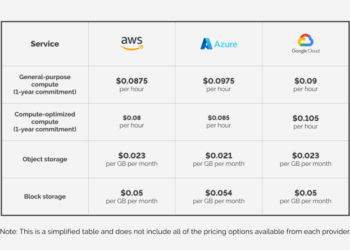
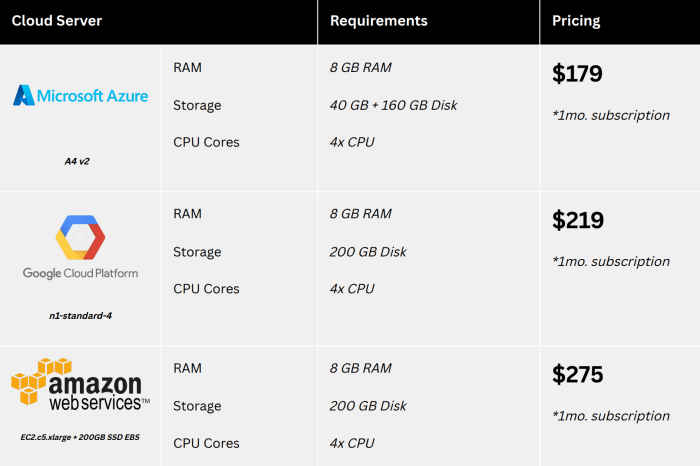
Pricing Models of Different Cloud Server Providers
- Pay-As-You-Go: Some providers offer a flexible pay-as-you-go model where you only pay for the resources you use, making it cost-effective for small businesses with varying needs.
- Subscription-Based: Other providers offer subscription-based pricing plans, which can be advantageous for businesses with predictable resource usage and budget constraints.
- Free Tier: Look for providers that offer a free tier with limited resources to test their services before committing to a paid plan.
Importance of Scalability and Flexibility in Cloud Server Options
Scalability and flexibility are crucial for small businesses with remote teams as they allow you to adjust resources based on demand and growth. Cloud servers that can easily scale up or down and offer customizable configurations are ideal for adapting to your business's changing needs.
Performance and Reliability
In the context of cloud server providers for small business remote teams, performance and reliability are crucial factors to consider. Evaluating performance metrics and reliability features can help businesses make informed decisions when selecting a cloud server provider.
Performance Metrics
- Processing Speed: Assess the processing speed offered by the cloud server provider to ensure efficient performance for remote team operations.
- Network Latency: Consider the network latency provided by the cloud server provider to guarantee seamless communication and data transfer.
- Scalability: Evaluate the scalability options offered by the provider to accommodate the growth of the business and remote team requirements.
- Storage Capacity: Check the storage capacity available to ensure that the cloud server can accommodate the data storage needs of the remote team.
Reliability Features
- Data Backup and Recovery: Look for cloud server providers that offer robust data backup and recovery solutions to prevent data loss in case of unforeseen events.
- Security Measures: Ensure that the provider implements strong security measures to protect sensitive business data and information from cyber threats.
- Redundancy: Choose a provider with redundancy measures in place to minimize downtime and ensure continuous access to data and applications.
Uptime Guarantees
- Provider A offers a 99.9% uptime guarantee, ensuring that the cloud server services will be available 99.9% of the time.
- Provider B provides a 99.99% uptime guarantee, promising even higher availability of cloud services for the remote team.
- Provider C commits to a 99.95% uptime guarantee, balancing reliability with cost-effectiveness for small businesses.
Security Measures
Cybersecurity is a critical aspect for small businesses relying on cloud server providers to safeguard their data and operations. Let's delve into the security protocols, data encryption standards, and backup options offered by leading cloud server providers.
Security Protocols and Measures
When it comes to security, top cloud server providers such as Amazon Web Services (AWS), Microsoft Azure, and Google Cloud Platform implement robust measures to protect data. They often use multi-factor authentication, network firewalls, intrusion detection systems, and regular security audits to ensure the highest level of protection.
Data Encryption Standards
Cloud server providers commonly use industry-standard encryption protocols like AES (Advanced Encryption Standard) to secure data both at rest and in transit. This ensures that sensitive information remains encrypted and unreadable to unauthorized users, providing an additional layer of protection against cyber threats.
Backup and Disaster Recovery Options
In terms of backup and disaster recovery, cloud server providers offer various solutions to ensure data availability and continuity in case of unforeseen events. They provide automated backups, geo-redundancy options, and disaster recovery plans to minimize downtime and data loss, helping small businesses maintain operations even in challenging situations.
Support and Customer Service
When it comes to choosing a cloud server provider for your small business remote team, the level of support and customer service offered is crucial for ensuring smooth operations and timely assistance when needed.
Customer Support Options
- Most leading cloud server providers offer 24/7 customer support through various channels such as phone, email, live chat, and ticketing systems.
- Some providers also have dedicated account managers for small businesses to address specific needs and concerns.
Response Time and Support Channels
- Response time varies among providers, with some guaranteeing immediate assistance for critical issues and others offering prioritized support based on the severity of the problem.
- Common support channels include phone support for urgent matters, email for less pressing concerns, and live chat for quick queries.
Service Level Agreements (SLAs)
- Cloud server providers often Artikel their service level agreements (SLAs) in terms of response time, resolution time, and uptime guarantees.
- SLAs for small businesses may differ from those for larger enterprises, with tailored support options and faster resolution times for critical issues.
Concluding Remarks
As we conclude our journey through the realm of cloud server providers for 2026, we reflect on the crucial elements that define the landscape. From performance and reliability to security measures and customer support, the future promises a host of possibilities for small businesses navigating the digital sphere.
Query Resolution
What are the key factors to consider when choosing a cloud server provider for small businesses?
Factors include pricing, scalability, flexibility, performance metrics, reliability features, security protocols, data encryption standards, backup options, and customer support.
How do different cloud server providers compare in terms of uptime guarantees?
Various providers offer different uptime guarantees, so it's essential to review and compare these guarantees before making a decision.
What service level agreements (SLAs) are offered by cloud server providers for small businesses?
SLAs vary between providers and typically Artikel the level of service and support a business can expect, so understanding these agreements is crucial.
Which leading cloud server providers implement robust security measures?
Top providers prioritize security and implement advanced protocols to safeguard data, making them ideal choices for small businesses.