
Beginning with Structured Settlement Loan: Pros, Cons, and Hidden Fees, the narrative unfolds in a compelling and distinctive manner, drawing readers into a story that promises to be both engaging and uniquely memorable.
Structured settlement loans provide a unique financial option for individuals looking to access funds from a settlement in a structured manner, offering both advantages and potential drawbacks.
Introduction to Structured Settlement Loan
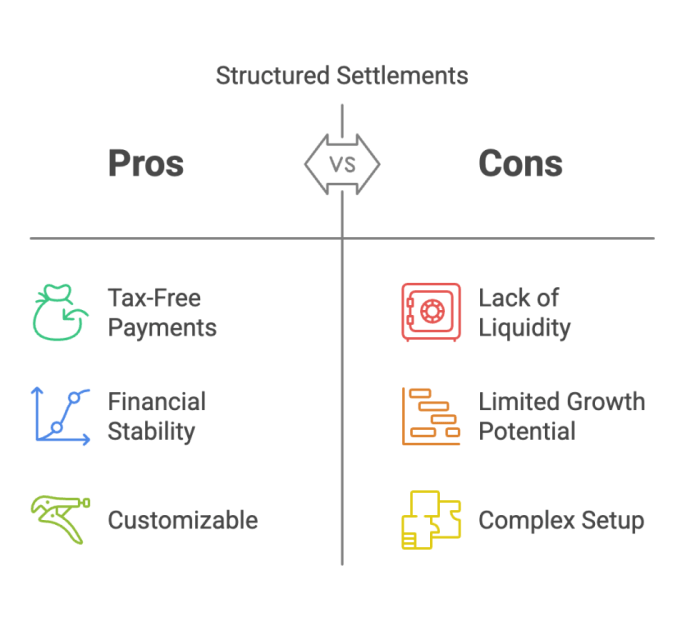
Structured settlement loans are financial products that allow individuals who are receiving regular payments from a structured settlement to obtain a lump sum of cash in exchange for giving up a portion of their future payments. These loans are typically used by individuals who are in need of immediate funds for various reasons, such as medical expenses, debt consolidation, or other financial emergencies.Structured settlement loans work by connecting individuals with investors or lending companies willing to provide a lump sum payment in exchange for the rights to a portion of the future settlement payments.
The terms of the loan, including the amount of the lump sum payment and the percentage of future payments that will be assigned to the lender, are negotiated between the individual and the lender.The basic concept of structured settlement loans is that they provide individuals with access to a large sum of money upfront, which can be beneficial in situations where immediate cash is needed.
However, it's important to carefully consider the terms of the loan and the impact on future financial stability before entering into such an agreement.
How Structured Settlement Loans Work
Structured settlement loans involve a legal process where an individual agrees to assign a portion of their future settlement payments to a lender in exchange for a lump sum payment. The lender then receives the assigned payments directly from the insurance company or entity responsible for the structured settlement.
It's crucial for individuals to understand the terms of the loan, including interest rates, fees, and the impact on future finances, before agreeing to a structured settlement loan.
Pros of Structured Settlement Loans
Structured settlement loans offer several advantages for individuals looking to access their funds in a lump sum rather than waiting for periodic payments. These loans can provide financial flexibility and meet immediate needs that may arise.
Immediate Access to Cash
- One of the main benefits of structured settlement loans is the ability to receive a lump sum of cash quickly, instead of waiting for scheduled payments over time.
- This immediate access to funds can be crucial in emergencies or situations where a large sum of money is needed urgently.
Financial Freedom
- By opting for a structured settlement loan, individuals have the freedom to use the funds as they see fit, whether it's for medical expenses, debt consolidation, education, or any other financial need.
- This flexibility can help individuals regain control of their finances and make strategic decisions based on their current circumstances.
Elimination of Future Risks
- Structured settlement loans eliminate the risks associated with waiting for future payments, such as inflation devaluing the money or unexpected changes in financial circumstances.
- By receiving a lump sum upfront, individuals can secure their financial future and avoid uncertainties that may arise down the line.
Cons of Structured Settlement Loans
Taking a structured settlement loan can have several drawbacks and risks that individuals need to consider before making a decision. While these loans can provide immediate access to cash, there are potential disadvantages that should not be overlooked.
Risk of High Fees and Interest Rates
Structured settlement loans often come with high fees and interest rates, which can significantly increase the amount owed over time. Borrowers may end up paying back much more than the initial loan amount, reducing the overall benefit of the loan.
Potential Impact on Future Payments
By taking a structured settlement loan, individuals may be sacrificing a portion of their future payments in exchange for immediate cash. This can have long-term consequences on their financial stability and ability to meet ongoing expenses
Lack of Flexibility
Structured settlement loans are typically inflexible and may not allow for changes in repayment terms or amounts. Borrowers may be locked into a fixed schedule that can be challenging to adjust if their financial situation changes.
Potential Legal Risks
There may be legal implications associated with structured settlement loans, especially if the terms are not carefully reviewed and understood. It's essential to seek legal advice to ensure full comprehension of the agreement and potential consequences.
Hidden Fees in Structured Settlement Loans
When considering structured settlement loans, it's important to be aware of potential hidden fees that could impact the overall cost of the loan. These fees are not always transparent upfront, so borrowers need to understand what to look out for to make informed decisions.
Origination Fees
Origination fees are charges imposed by lenders to cover the cost of processing a loan application. These fees can vary but are typically a percentage of the total loan amount. For structured settlement loans, origination fees can range from 2% to 4% of the loan amount, significantly adding to the total cost of borrowing.
Prepayment Penalties
Some lenders may include prepayment penalties in the loan terms, meaning borrowers will incur additional fees if they pay off the loan early. This can be a hidden cost that borrowers may not anticipate, so it's crucial to clarify whether prepayment penalties are part of the loan agreement.
Servicing Fees
Servicing fees are charges for managing the loan account, including processing payments, providing statements, and handling customer inquiries. These fees can be hidden within the loan terms and add to the overall cost of the loan. Borrowers should carefully review the loan agreement to understand the extent of servicing fees.
Late Payment Fees
Late payment fees are penalties imposed on borrowers who fail to make their loan payments on time. These fees can quickly accumulate and significantly increase the total amount owed. It's essential for borrowers to be aware of the late payment fees associated with structured settlement loans to avoid unnecessary costs.
Legal Fees
In some cases, borrowers may encounter legal fees related to the structured settlement loan, such as attorney fees for reviewing the loan agreement or legal proceedings. These fees can be unexpected and add to the financial burden of the loan.
It's crucial for borrowers to understand the potential legal fees involved in the loan process.
Last Word
In conclusion, examining the landscape of structured settlement loans reveals a complex interplay of benefits, risks, and hidden fees that individuals should carefully consider before making a decision.
Popular Questions
What are the tax implications of a structured settlement loan?
Structured settlement loans may have tax consequences, so it's important to consult with a tax professional to understand how it may affect your tax situation.
Can I sell a portion of my structured settlement for a lump sum?
Yes, you can sell a portion of your structured settlement for a lump sum, but it's crucial to consider the impact on your long-term financial security.
Are there alternatives to structured settlement loans?
Yes, alternatives such as annuities or installment payments may provide similar benefits without some of the risks associated with structured settlement loans.