
In the realm of Commercial Real Estate Loans: Approval Tips That Work, readers are invited to delve into a world of nuanced insights and practical strategies. This opening passage sets the stage for a compelling exploration into the intricacies of securing approval for commercial real estate loans.
The following paragraphs will delve deeper into the fundamental aspects of commercial real estate loans, shedding light on approval factors, tips for success, and essential documentation requirements.
Understanding Commercial Real Estate Loans
Commercial real estate loans are financial products specifically designed for purchasing, renovating, or refinancing commercial properties. These loans are typically used by businesses to acquire office buildings, retail spaces, warehouses, or other commercial properties.
Types of Commercial Real Estate Loans
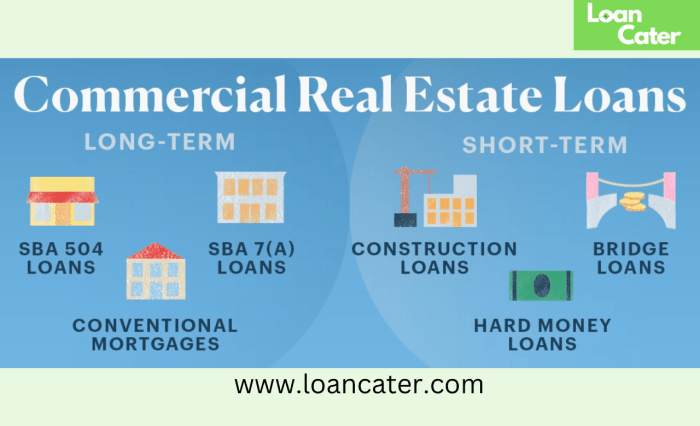
- Traditional Commercial Mortgages: Offered by banks and traditional lenders, these loans have fixed or variable interest rates and terms ranging from 5 to 20 years.
- SBA 7(a) Loans: Backed by the Small Business Administration, these loans are ideal for small businesses looking to purchase commercial real estate.
- CMBS Loans: Commercial Mortgage-Backed Securities loans are pooled together and sold to investors, offering competitive rates and terms.
- Bridge Loans: Short-term loans used to bridge the gap between financing needs, often used for quick acquisitions or renovations.
The key differences between commercial real estate loans and residential loans lie in the property type, loan terms, and underwriting process. Commercial loans are typically larger in size, have shorter repayment terms, and require more thorough financial documentation.
Factors Influencing Approval of Commercial Real Estate Loans

When it comes to obtaining approval for commercial real estate loans, several key factors come into play. Lenders carefully consider various aspects before deciding to approve a loan. Understanding these factors can help borrowers increase their chances of securing the financing they need.
Credit Scores and Loan Approval
Credit scores play a crucial role in the approval process for commercial real estate loans. Lenders use credit scores to assess the borrower's creditworthiness and ability to repay the loan. A higher credit score typically indicates a lower risk for the lender, making it easier to secure loan approval.
Borrowers with lower credit scores may face challenges in obtaining financing or may receive less favorable terms.
Property Value and Condition
The value and condition of the property being used as collateral also significantly impact loan approval. Lenders conduct thorough evaluations to determine the property's worth and assess its condition. The value of the property serves as security for the loan, and lenders want to ensure that it is sufficient to cover the loan amount.
Additionally, the property's condition can affect its marketability and potential resale value, influencing the lender's decision.
Tips for Improving Approval Chances
Improving your chances of getting approved for a commercial real estate loan requires careful planning and preparation. Here are some key strategies to help you strengthen your loan application:
Improving Creditworthiness
One of the most important factors that lenders consider when reviewing loan applications is the applicant's creditworthiness. To improve your creditworthiness:
- Pay all your bills on time to maintain a good credit score.
- Reduce your overall debt and keep your credit card balances low.
- Check your credit report regularly for any errors and dispute inaccuracies.
Preparing a Solid Business Plan
Having a well-thought-out business plan is crucial when applying for a commercial real estate loan. Here are steps to prepare a solid business plan:
- Define your business goals and objectives clearly.
- Include detailed financial projections and analysis to demonstrate the viability of your project.
- Provide information about your industry, target market, and competitive landscape.
Clear Repayment Strategy
Having a clear repayment strategy is essential in securing loan approval from lenders. To develop a strong repayment strategy:
- Artikel how you plan to generate income to repay the loan, including cash flow projections.
- Demonstrate your ability to cover loan payments even in unexpected circumstances.
- Consider different repayment scenarios and show how you would manage them.
Documentation Requirements for Commercial Real Estate Loans

When applying for a commercial real estate loan, there are several essential documents you will need to provide to the lender. Having all the necessary paperwork in order can significantly expedite the approval process and increase your chances of securing the loan you need.
Types of Commercial Real Estate Loans and Their Documentation Requirements
- Traditional Commercial Mortgages:
- Personal financial statements for all loan guarantors
- Business financial statements
- Property financial statements
- Income tax returns
- Appraisal of the property
- Small Business Administration (SBA) Loans:
- SBA loan application forms
- Business financial statements
- Personal financial statements for all owners with 20% or more ownership
- Business tax returns
Thorough Documentation and Loan Approval Process
Having thorough and accurate documentation can significantly expedite the loan approval process. Lenders rely on these documents to assess your financial health, the value of the property, and your ability to repay the loan. By providing all the required paperwork upfront, you demonstrate your readiness and commitment, which can lead to a faster approval decision.
Last Recap
As we conclude our discussion on Commercial Real Estate Loans: Approval Tips That Work, let's reflect on the key takeaways and actionable steps Artikeld. This comprehensive guide aims to empower readers with the knowledge and tools needed to navigate the landscape of commercial real estate financing successfully.
User Queries
What are the key differences between commercial real estate loans and residential loans?
The main distinctions lie in the purpose of the property, eligibility criteria, and risk assessment.
How can credit scores impact loan approval in commercial real estate?
Credit scores play a significant role in determining the borrower's creditworthiness and the terms of the loan.
What are the essential documents needed when applying for a commercial real estate loan?
Documents typically include income statements, property appraisals, and business plans.