
As Crane Operator Negligence: Seeking Justice for Jobsite Catastrophes takes center stage, this opening passage beckons readers into a world crafted with good knowledge, ensuring a reading experience that is both absorbing and distinctly original.
Exploring the intricate dynamics of crane operator negligence and its impact on worksite safety is crucial for understanding the gravity of the situation.
Definition of Crane Operator Negligence
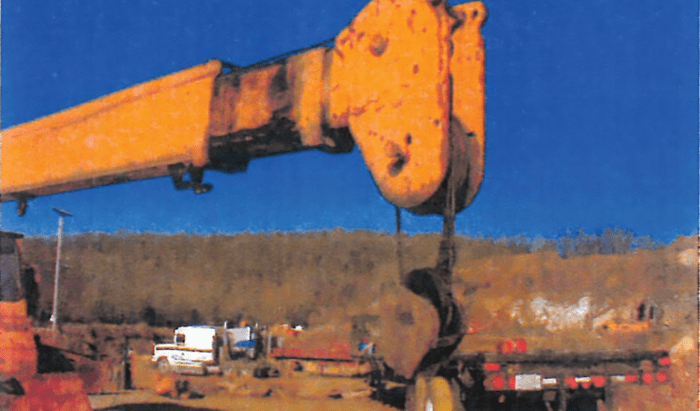
Crane operator negligence refers to situations where a crane operator fails to exercise proper care, leading to accidents or incidents on the jobsite. This negligence can have severe consequences, putting the safety of workers at risk and causing damage to property.
Examples of Crane Operator Negligence
- Operating the crane under the influence of drugs or alcohol
- Ignoring safety protocols and guidelines
- Overloading the crane beyond its capacity
- Failing to inspect the crane for maintenance issues
Potential Consequences of Crane Operator Negligence
- Risk of serious injuries or fatalities to workers on the site
- Damages to equipment, structures, or surrounding property
- Lawsuits and legal consequences for the crane operator and the company
Contributing Factors to Crane Operator Negligence
Crane operator negligence can be influenced by various factors that impact their decision-making and performance on the job. These factors can range from lack of training to external pressures that crane operators face in the workplace.
Lack of Training
Crane operators require specialized training to safely operate these heavy machinery. Without proper training, operators may not be equipped with the necessary skills and knowledge to handle the crane effectively. This can lead to errors, accidents, and ultimately negligence on the job.
External Pressures and Deadlines
External pressures, such as tight deadlines or productivity goals, can push crane operators to take risks or shortcuts to meet expectations. In an effort to complete tasks quickly, operators may neglect safety procedures or proper protocols, leading to negligence in their operations.
It is important for employers to prioritize safety over speed to prevent such incidents from occurring.
Legal Ramifications for Crane Operator Negligence
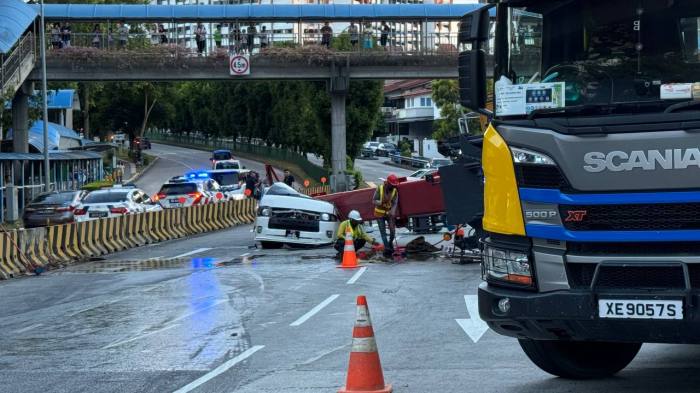
Crane operator negligence can have severe legal implications, as it not only jeopardizes the safety of workers and bystanders but also leads to significant financial and legal consequences for the operator involved.
Seeking Justice for Jobsite Catastrophes
- Victims or their families can seek justice through civil lawsuits against the negligent crane operator and potentially the company employing them.
- The legal process may involve gathering evidence, witness testimonies, expert opinions, and presenting the case in court to prove negligence.
- If found guilty of negligence, the crane operator may face penalties, fines, or even criminal charges depending on the severity of the incident.
Role of Regulatory Bodies
- Regulatory bodies such as OSHA (Occupational Safety and Health Administration) play a crucial role in enforcing safety measures to prevent crane operator negligence.
- These bodies set and monitor compliance with safety standards, conduct inspections, and investigate accidents to ensure proper safety protocols are followed.
- In cases of negligence, regulatory bodies may impose fines, revoke licenses, or shut down operations to hold accountable those responsible for safety lapses.
Preventive Measures and Best Practices
Crane operators play a crucial role in ensuring safety on the jobsite, and implementing preventive measures and best practices is essential to avoid negligence and prevent accidents.Regular maintenance and inspection of cranes are fundamental steps in preventing accidents. By conducting routine checks, crane operators can identify any potential issues or malfunctions before they escalate into dangerous situations.
This proactive approach not only ensures the safety of the operator but also protects others working on the site.
Importance of Regular Maintenance and Inspection
- Performing daily pre-operational checks to assess the condition of the crane.
- Scheduling regular maintenance according to manufacturer guidelines to keep the crane in optimal working condition.
- Training crane operators to recognize signs of wear and tear and report any concerns immediately.
Strategies for Creating a Safety Culture
- Provide comprehensive training programs for crane operators on safe operating procedures.
- Encourage open communication between operators and supervisors to address any safety issues promptly.
- Implement a system of checks and balances to ensure adherence to safety protocols at all times.
Ending Remarks
Conclusively, the importance of addressing crane operator negligence cannot be overstated. Seeking justice for jobsite catastrophes caused by negligence is imperative in ensuring a safer work environment for all.
General Inquiries
What behaviors constitute crane operator negligence?
Crane operator negligence can include distractions, failure to follow safety protocols, improper use of equipment, and lack of attention to surroundings.
How can lack of training contribute to crane operator negligence?
A lack of proper training can lead to errors in judgment, inability to handle complex situations, and ignorance of safety procedures, increasing the risk of negligence.
What legal implications do crane operators face in negligence cases?
Crane operators involved in negligence cases may face legal consequences such as fines, license suspension, and potential civil lawsuits for damages.
What are some preventive measures for crane operators to avoid negligence?
Regular training, adherence to safety guidelines, proper equipment maintenance, and a culture of safety awareness are key preventive measures for crane operators.