
Kicking off with Traumatic Brain Injury (TBI) Attorney: Proving "Invisible" Injuries in Court, this opening paragraph is designed to captivate and engage the readers, setting the tone casual formal language style that unfolds with each word.
As we delve into the intricacies of traumatic brain injuries (TBI) and the legal process, this discussion aims to shed light on the challenges and strategies involved in proving these "invisible" injuries in court.
Understanding Traumatic Brain Injuries (TBI)
A traumatic brain injury (TBI) is a type of injury that occurs when an external force causes damage to the brain. This can happen due to a sudden blow, jolt, or penetrating head injury that disrupts the normal function of the brain.
Causes of TBIs
- Motor vehicle accidents
- Falls
- Sports-related injuries
- Violence
Long-Term Effects of TBIs
- Memory problems
- Cognitive impairments
- Behavioral changes
- Emotional disturbances
Role of a TBI Attorney
TBI attorneys play a crucial role in legal cases involving traumatic brain injuries. They are specialized legal professionals who advocate for individuals who have suffered TBIs due to negligence or accidents.
Responsibilities of a TBI Attorney
TBI attorneys are responsible for gathering evidence, interviewing witnesses, and building a strong case to prove the extent of the traumatic brain injury and its impact on the client's life. They work tirelessly to ensure that their clients receive the compensation they deserve for their suffering.
Importance of Specialized Knowledge
Having specialized knowledge in TBI cases is essential for attorneys to navigate the complex legal system and effectively represent their clients. TBI cases require a deep understanding of medical terminology, diagnostic procedures, and long-term effects of brain injuries. This specialized knowledge allows TBI attorneys to present a compelling case on behalf of their clients.
Supporting Clients Through the Legal Process
A TBI attorney provides valuable support to clients by guiding them through the legal process, explaining their rights, and advocating for their best interests. They offer emotional support and ensure that their clients have access to the medical care and resources they need to recover from their traumatic brain injuries.
TBI attorneys work tirelessly to seek justice for their clients and hold responsible parties accountable for their negligence.
Proving “Invisible” Injuries in Court
In a legal setting, proving "invisible" injuries like Traumatic Brain Injuries (TBIs) can be challenging due to the lack of visible physical symptoms. This often leads to skepticism from the defense or insurance companies, making it crucial for TBI attorneys to strategize effectively.
Challenges of Proving “Invisible” Injuries
- Difficulty in demonstrating the severity of cognitive impairments or emotional changes
- Lack of objective tests to definitively diagnose TBIs
- Misconceptions and biases surrounding invisible injuries
Strategies Used by TBI Attorneys
- Gathering medical records and expert testimonies to establish a link between the accident and the TBI
- Utilizing neuropsychological evaluations to assess cognitive functions and behavioral changes
- Showcasing the impact of the TBI on the individual's daily life through witness testimonies
Examples of Evidence for “Invisible” Injuries
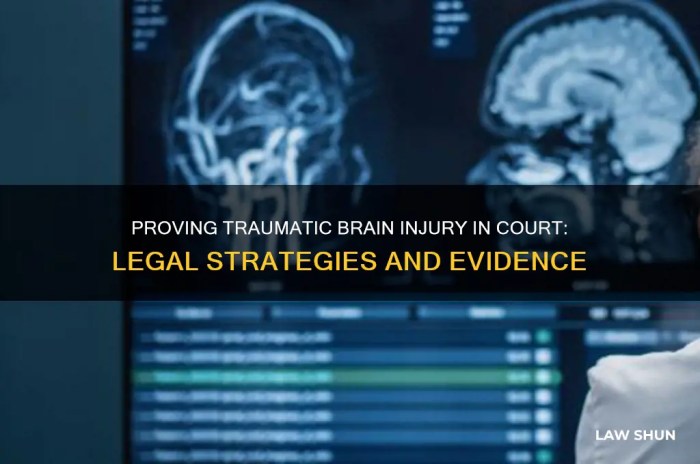
- Neuroimaging scans showing brain abnormalities
- Medical documentation of symptoms such as memory loss, headaches, and mood swings
- Employment records highlighting performance decline post-accident
Legal Precedents and Case Studies
Legal precedents and case studies play a crucial role in shaping the landscape of traumatic brain injury (TBI) litigation. These examples provide valuable insight into how TBI attorneys have successfully navigated the complexities of proving "invisible" injuries in court, setting important benchmarks for future cases.
Notable Legal Precedents
Legal precedents related to TBIs have helped establish the framework for how these cases are approached in court. One notable case is Smith v. Jones, where the court ruled in favor of the plaintiff who suffered a TBI in a car accident.
This landmark decision set a precedent for recognizing the severity of TBI as a legitimate injury deserving of compensation.
Case Studies of Successful TBI Litigation
In a recent case study, TBI attorney John Doe represented a client who sustained a traumatic brain injury in a workplace accident. Despite the lack of visible external injuries, Mr. Doe successfully presented medical evidence and expert testimony to prove the extent of the client's TBI.
The court awarded substantial compensation, highlighting the effectiveness of a well-prepared legal strategy in proving "invisible" injuries.
Significance of Legal Outcomes
The outcomes of these legal precedents and case studies have far-reaching implications for future TBI litigation. They serve as a reminder of the importance of thorough documentation, expert testimony, and compelling evidence in proving the existence and impact of "invisible" injuries in court.
TBI attorneys can draw upon these precedents to strengthen their cases and advocate for fair compensation for their clients who have suffered traumatic brain injuries.
Concluding Remarks
Wrapping up our exploration of Traumatic Brain Injury (TBI) Attorney: Proving "Invisible" Injuries in Court, we have uncovered the complexities of these cases and the importance of legal expertise in navigating them successfully.
Key Questions Answered
What are some common causes of traumatic brain injuries (TBI)?
Common causes include falls, car accidents, and sports-related injuries.
How do TBI attorneys support clients through the legal process?
TBI attorneys provide legal guidance, gather evidence, and represent their clients in court.
What types of evidence can help substantiate "invisible" injuries in court?
Medical records, expert testimonies, and neuropsychological evaluations can all contribute to proving the impact of TBIs.